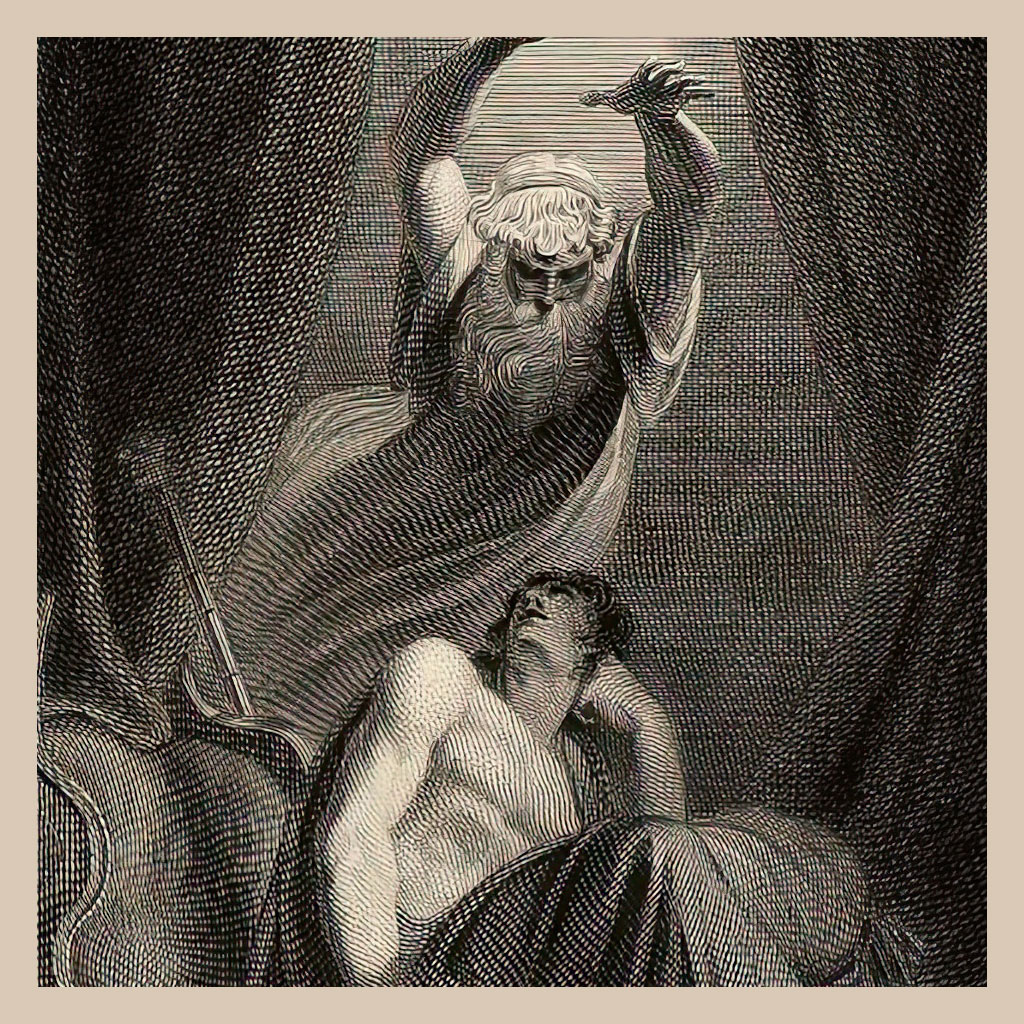
Most of us have wondered at least once what a strange dream might mean. Artemidorus of Daldis, a 2nd-century AD author from Ephesus, wrote a five-book manual explaining exactly how to interpret them. In the first part of the course we will read his Ὀνειροκριτικά and learn that drinking vinegar in a dream means a quarrel with your household, washing your own clothes means secrets will be revealed, a thunderbolt means fame, and hunting dogs mean profits from abroad. We will also read some of Aristotle’s Parva Naturalia, where dreams are treated as residual perceptual movements, and sections from the Hippocratic Regimen IV, or Dreams, where physicians discuss dreams’ diagnostic value.
In the second part of the course, we will put this theoretical base to work on the most famous dreams in Greek literature: beginning with Agamemnon’s deceptive dream and Penelope’s gates of horn and ivory in Homer, then moving to the dreaming kings of the East in Herodotus, whose stories let us discuss dreams as narrative engines and their interpreters as political actors. The course ends with dreams in tragedy: we will discuss such scenes as Atossa watching Xerxes tumble from his chariot in Aeschylus’ Persians, Clytemnestra giving birth to a serpent in his Choephoroi, the sceptre that blossoms at the hearth in Sophocles’ Electra, and Hecuba’s fawn in the wolf’s jaws in Euripides’ Hecuba.
Course details:
- Sessions last 1.5 hours
- 1 session per week
- Course lasts 14 weeks
- Term runs Jan. 3, 2027 – Apr. 10, 2027
How ALI courses work:
- ALI courses are live, online classes run by ALI Ancient Greek professors. Learn Ancient Greek from anywhere.
- Classes run on a trimester basis.
- Fall: September – December
- Spring: January – April
- Summer: May – August
- We want to make sure you’re completely satisfied. If you don’t love your first Ancient Greek class, we guarantee a 100% refund. After that, in weeks 2 – 4, refunds will be made on a pro rata basis, based on however many class sessions you’ve attended. We cannot issue refunds after the fourth week of classes.
- Read more on our FAQ page and check out our academic calendar page to see a more detailed schedule